

How to Write a Horror Novel That Grips Readers from Start to Finish

Writing a horror novel is no easy feat. You want to scare your readers, sure, but you also want to keep them hooked, turning pages late into the night. How do you create a story that’s both terrifying and impossible to put down? I’ve spent years exploring this question, and I’m excited to share what I’ve learned about crafting horror novels that truly grip readers.
Building a Terrifying Atmosphere That Feels Real
The first step in writing a horror novel that sticks with readers is creating an atmosphere that feels alive. It’s not just about creepy settings or dark forests. It’s about making the reader feel like they’re right there, breathing the same air as the characters, sensing the danger lurking just out of sight.
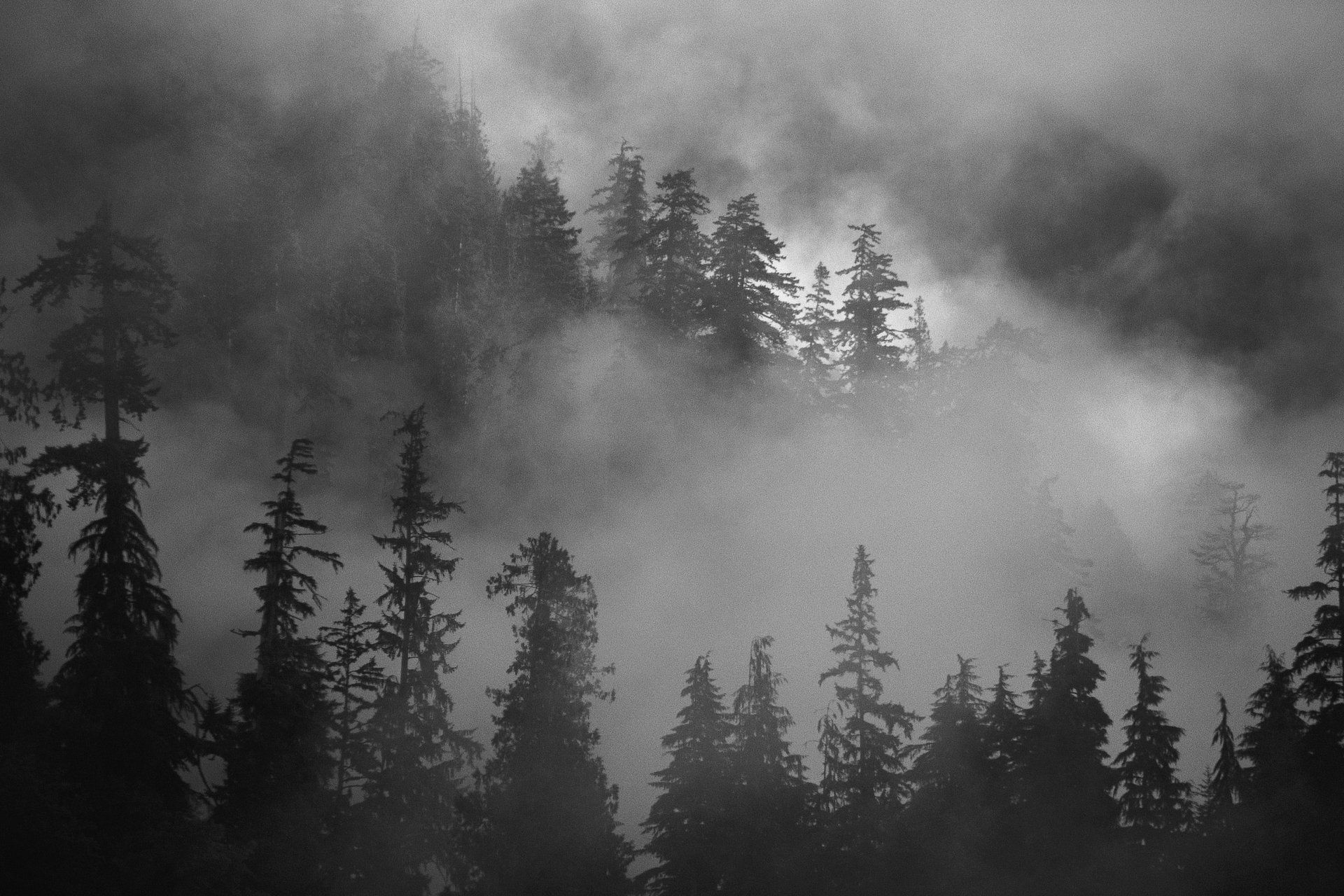
Think about the sounds, smells, and textures. Is the air thick with fog? Does the old house creak with every gust of wind? These details pull readers in. They make the fear tangible.
For example, in my own writing, I often use subtle hints of unease before the big scares. A flickering light, a shadow that moves just a little too fast. These small touches build tension slowly, making the moments of horror hit harder.

Creating Characters Readers Care About
No matter how scary your story is, if readers don’t care about the characters, the fear won’t land. Characters need to feel real, with hopes, fears, and flaws. When readers connect with them, the stakes become personal.
I like to give my characters clear motivations and backstories that explain why they react the way they do. Maybe the protagonist has a secret they’re hiding, or a past trauma that makes the horror even more intense.
One tool I recommend for writers is the Scrivener writing software. It helps organize character notes, plot points, and research all in one place. Keeping track of your characters’ details makes it easier to keep them consistent and believable throughout your novel.
Plotting a Story That Keeps Readers Guessing
A gripping horror novel needs a plot that surprises and unsettles. Predictability kills suspense. You want readers to ask, “What’s going to happen next?” and “Is this really over?”
I often outline my stories with twists and turns that challenge the reader’s expectations. Maybe the monster isn’t what it seems, or the safe place turns out to be the most dangerous. Playing with these ideas keeps the tension high.
Another great resource for plotting is the Plottr software. It’s designed to help writers map out their story visually. You can see how scenes connect and where to place key scares for maximum impact.
Using Pacing to Build Suspense and Release
Pacing is everything in horror. Too fast, and the scares lose their punch. Too slow, and readers get bored. The trick is to mix moments of high tension with brief pauses that let readers catch their breath.
I like to use short, punchy sentences during intense scenes to speed up the pace. Then, I slow down with longer descriptions or character thoughts to build anticipation. This rhythm keeps readers on edge.
Writing Scares That Feel Fresh and Unforgettable
Scares come in many forms. Jump scares, psychological horror, gore, or eerie silence. The best horror novels mix these elements to keep readers guessing.
Instead of relying on clichés, I try to find unique angles. What if the monster is a reflection of the character’s own fears? What if the horror comes from something ordinary turned sinister?
For inspiration, I often turn to classic horror novels and films, analyzing what made them effective. Then, I twist those ideas into something new.

Editing and Revising to Sharpen the Fear
Writing the first draft is just the beginning. Editing is where the real magic happens. I read my drafts aloud to catch awkward phrasing and pacing issues. Sometimes, I cut entire scenes that don’t add to the tension.
Getting feedback from trusted readers is also crucial. They can tell you if the scares work or if the story drags. I’ve found that joining a writing group or hiring a professional editor can make a huge difference.
Publishing and Sharing Your Horror Novel
Once your novel is polished, it’s time to share it with the world. Whether you choose traditional publishing or self-publishing, building an audience is key.
I recommend using platforms like Reedsy to find editors, cover designers, and marketing experts who specialize in horror fiction. Their services can help your book stand out in a crowded market.
Final Thoughts on Writing Horror That Stays with Readers
Writing a horror novel that grips readers takes more than just scary scenes. It’s about building atmosphere, creating real characters, plotting surprises, and pacing your story just right. Tools like Scrivener and Plottr can help organize your ideas, while services from Reedsy can polish your final product.
Remember, the best horror stories don’t just frighten—they haunt. They stay with readers long after the last page. That’s the kind of story I aim to write, and I hope these tips help you craft your own unforgettable horror novel.

Ready to start your horror novel? Grab your notebook, light a candle, and let the darkness inspire you. The next great horror story is waiting to be told.

Comments